
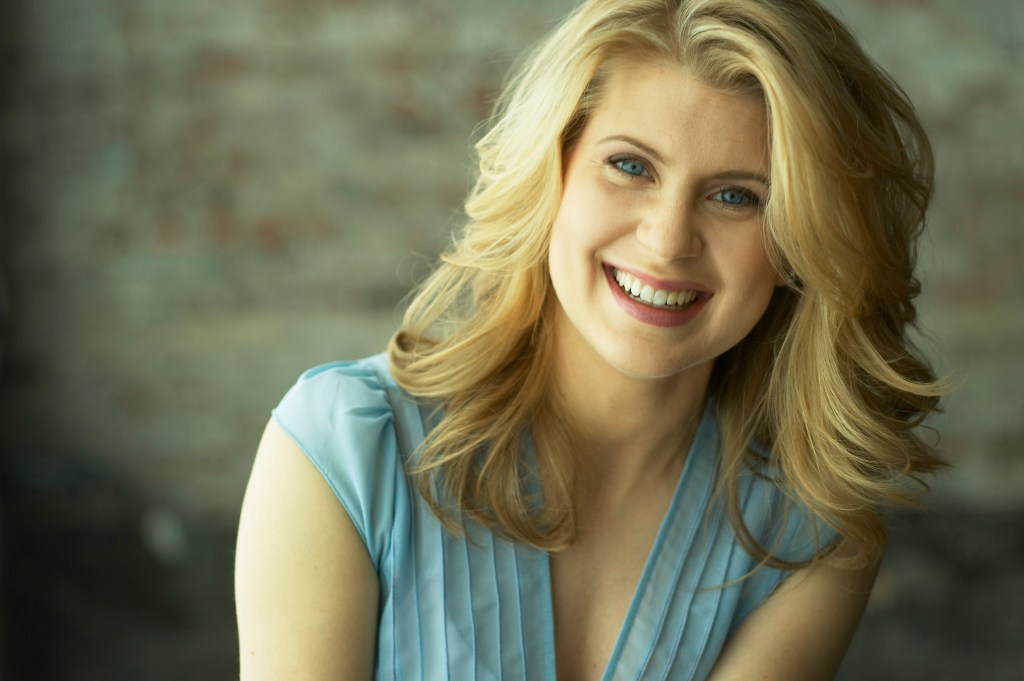
As we prepare for our upcoming adult ballet retreat, we wanted to take a moment to sit down with Elizabeth Walker, one of our incredible teachers joining us this August.
Her journey as a dancer and as part of the Balanchine lineage is truly one for the books. Elizabeth spent her entire career learning and honing her technique at the School of American Ballet, danced with New York City Ballet, and has since shared her knowledge and experience with dancers of all ages and stages.
George Balanchine, founder of the School of American Ballet (SAB) and New York City Ballet (NYCB), brought ballet to America in the 1930s and famously “taught America to dance.” His fast, precise, and musical approach offered a freedom beyond the more restricted classical styles of his time. While respecting the traditions of classical ballet, he expanded the movement vocabulary to create what we now know and cherish as neoclassical ballet. He choreographed more than 400 works in his lifetime, many of which are still performed by major ballet companies around the world.
Much of his style and technique are documented by former NYCB dancer and current SAB faculty Suki Schorer, both in her book Suki Schorer on Balanchine Technique and in the detailed video series The Balanchine Essays. Suki was encouraged by Balanchine to teach at SAB and was entrusted with carrying his work forward after his passing. Elizabeth was one of Suki’s students and one of the few chosen to be featured in The Balanchine Essays.
Let’s learn a bit more about Elizabeth below.
When did you begin your dance journey?
I truly feel I was born a dancer. My earliest sense of play and imagination involved dancing and moving to music as a natural impulse. My parents played classical music and musical theater albums on the stereo. My father always sang in choirs, quartets, and community theater productions, so there was an awareness of and appreciation for performing. My mother used to say she wanted to marry someone who would take her to the ballet!
I would have them put music on so I could dance around the house for what seemed like hours. My formal training began at age 5 with pre-ballet classes. Proper beginner ballet began at age 6, then ballet classes 5–6 days a week by age 9, summer 5-week intensives starting at age 12, and finally moving away from home in South Carolina to New York City at 15 to study year-round at the School of American Ballet. During all those years in South Carolina, I performed in 2–3 civic ballet company productions each season, dancing both classic full-length ballets and new choreography.
When did you join SAB, and what was it like when you arrived?
I first attended SAB for two summer courses before being invited to study full-time on scholarship at age 15. I spent three years in the advanced levels until I joined New York City Ballet as an apprentice. For me, it was truly amazing, inspiring, and fulfilling. I had been introduced to the concept of the Balanchine style about a year before ever attending, but I was utterly captivated once I experienced it in person. Like an echo of my childhood joy in dancing, ballet classes at SAB felt completely natural to me. Immensely musical, dynamic, and expressive, each class—technique, pointe, or variations—was filled with wonderful revelations.
What are some of your fondest memories of studying there?
I was very fortunate and blessed with many special experiences as a student at SAB.
In my first year, I was cast in the corps de ballet of Balanchine’s Square Dance for the year-end Workshop Performance. This was a unique opportunity because I was in a level below all the other dancers involved, but Suki Schorer gave me the chance. I ended up performing that ballet for nearly 20 years of my career.
That same year, Suki and Merrill Ashley approached me one day and asked if I would like to join them in filming a video demonstrating Balanchine technique through class exercises and choreography excerpts. The summer after my first year, I spent a week with them and four NYCB dancers filming segments of The Balanchine Essays video catalogue. That was life-changing. The exposure and education began to shape my professional performing and teaching path. There were many more wonderful experiences, but those were the first.
What, in your mind, distinguishes Balanchine technique?
I love Balanchine’s comparison of his dancers and choreography to Americans and New Yorkers—fast, modern, energetic, and larger than life. Yet he also created the most tender and romantic balletic moments.
To me, it’s that dramatic range of dynamics that is so characteristic. It may be fast, or it may be slow, but it will always be full of life, clarity, and energy, sharing the pure soul of the music.
What are some differences you notice in teaching adults compared to teaching children?
I am humbled to teach such a range of ages—from 6-year-olds to high school graduates, professional young adults, and passionate adult students.
The first thing that stands out is that adults are in class because they want to be. They make choices and sacrifices to be there. They are usually committed. Children, by contrast, are still discovering their interests and learning how to concentrate and work.
Of course, there are also physical differences. Mature adults must be more mindful of their physical well-being, as the body doesn’t necessarily bounce back the way it did in youth. I’m always happy to modify exercises when needed. But great improvements in strength and balance are absolutely possible, and adults have more life experience to draw on when tackling the mental problem-solving aspects of ballet. I particularly love seeing adults’ genuine love of dance and their expressive musicality.
What is one piece of advice you would give to someone wanting to begin their adult ballet journey but feeling hesitant?
Like anything new, the hardest part is simply getting started. Whether it’s beginner ballet or returning to class after many years, it often feels like getting back to the gym or taking that first brisk walk again.
Consider what clothing will be appropriate but also comfortable. Prepare your mind and body for focus. Start with the small, foundational movements and appreciate the strength it takes to hold correct positions—pliés and foot isolations alone can be exhausting!
Keep that image or feeling in mind that inspires you. Know that barre work makes beautiful movement possible, and the effort you put in will pay off and build a wide range of ability as you advance.
What is one piece of advice you would give to an adult ballet student hitting a plateau?
Be patient—but strategic! Patience with yourself and the process is essential to staying motivated.
Stay aware of the foundational essentials: organized placement, proper execution of tendus and other basics, symmetrical support of turnout, steady concentration without extra anxiety.
Try to identify what the obstacle is—strength, coordination, weight and balance transfer, memorizing patterns, or holding positions? Don’t be intimidated by the puzzle. Sometimes it helps to step back from practicing the full step—for example, ease off on pirouettes and instead focus on relevé passé from the preparation, or practice half-turns.
What do you look forward to most in joining our first annual retreat?
I most look forward to being surrounded by people who love ballet—to share experiences, questions, and the journey with inspired individuals. And to be in Sweden! I’ve never visited.
Also, to be with Dena on a ballet trip to Europe again. We’ve been the closest of friends for decades and spent many days together in Europe when we were younger and performing. I’m thrilled this opportunity has opened up for me to join you all.
Thank you for sharing with us, Elizabeth. We look forward to spending August with you in Sweden and soaking up all your knowledge.

